Hydraulic systems are essential in many industries. But what happens when you have a leak? This can lead to costly repairs and downtime. Understanding hydraulic fittings can help prevent these issues. Hydraulic fittings connect hoses, pipes, and tubes in various systems. They ensure that fluid moves efficiently and safely. Knowing how these fittings work will empower you when dealing with any hydraulic system. 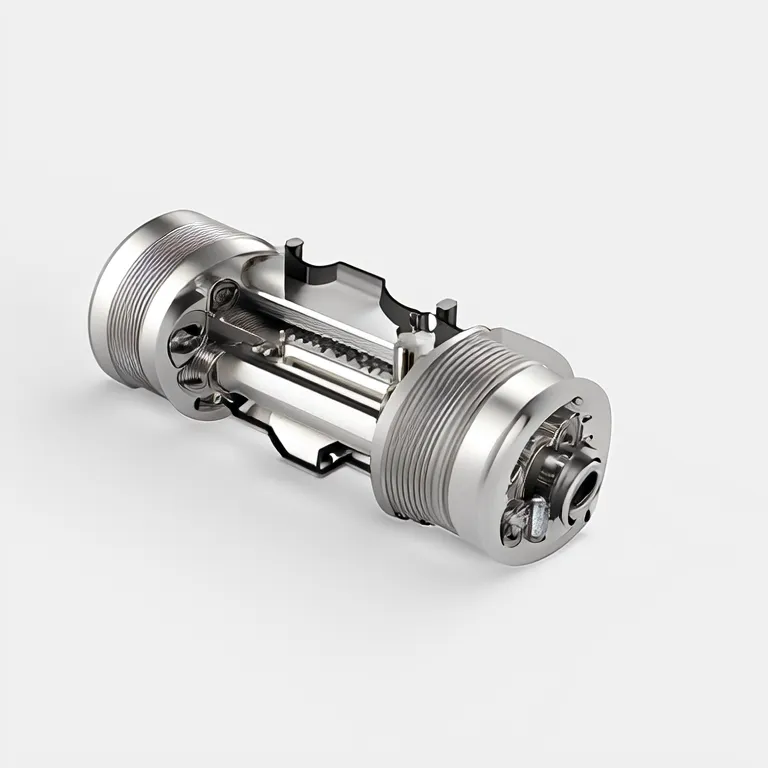
Hydraulic fittings are used to join hoses, pipes, and tubes in hydraulic systems. They ensure a leak-free connection and facilitate the smooth flow of hydraulic fluids. Different types of fittings serve unique purposes, which is crucial for system performance.
In recent data, over 80% of hydraulic system failures are attributed to faulty fittings. This highlights the need for quality hydraulic fittings from a reliable hydraulic fittings manufacturer.
| Type | Description | Common Use |
|---|---|---|
| Elbow Fittings | Allows a change in fluid direction. | Used in tight spaces where curves are needed. |
| Bulkhead Fittings | Used to connect two separate areas through a wall or panel. | Common in machinery and equipment. |
| Quick Disconnects | Allows for fast and easy disconnection of hoses. | Often found in mobile hydraulic applications. |
Understanding how hydraulic fittings work is vital for anyone involved in hydraulic systems. These fittings play a critical role in ensuring that systems operate efficiently and safely. Whether in manufacturing, agriculture, or construction, choosing the right hydraulic fittings can make all the difference. Invest in quality hydraulic fittings from trusted manufacturers to avoid potential issues and improve performance.
Hydraulic fittings can be made from steel, brass, or plastic, depending on their application and the required pressure and temperature ratings.
Consider the application, pressure requirements, and the type of connections you need. Consulting with a hydraulic fittings manufacturer can also help.
No, hydraulic fittings are designed for specific systems. Always ensure compatibility before installation.


